
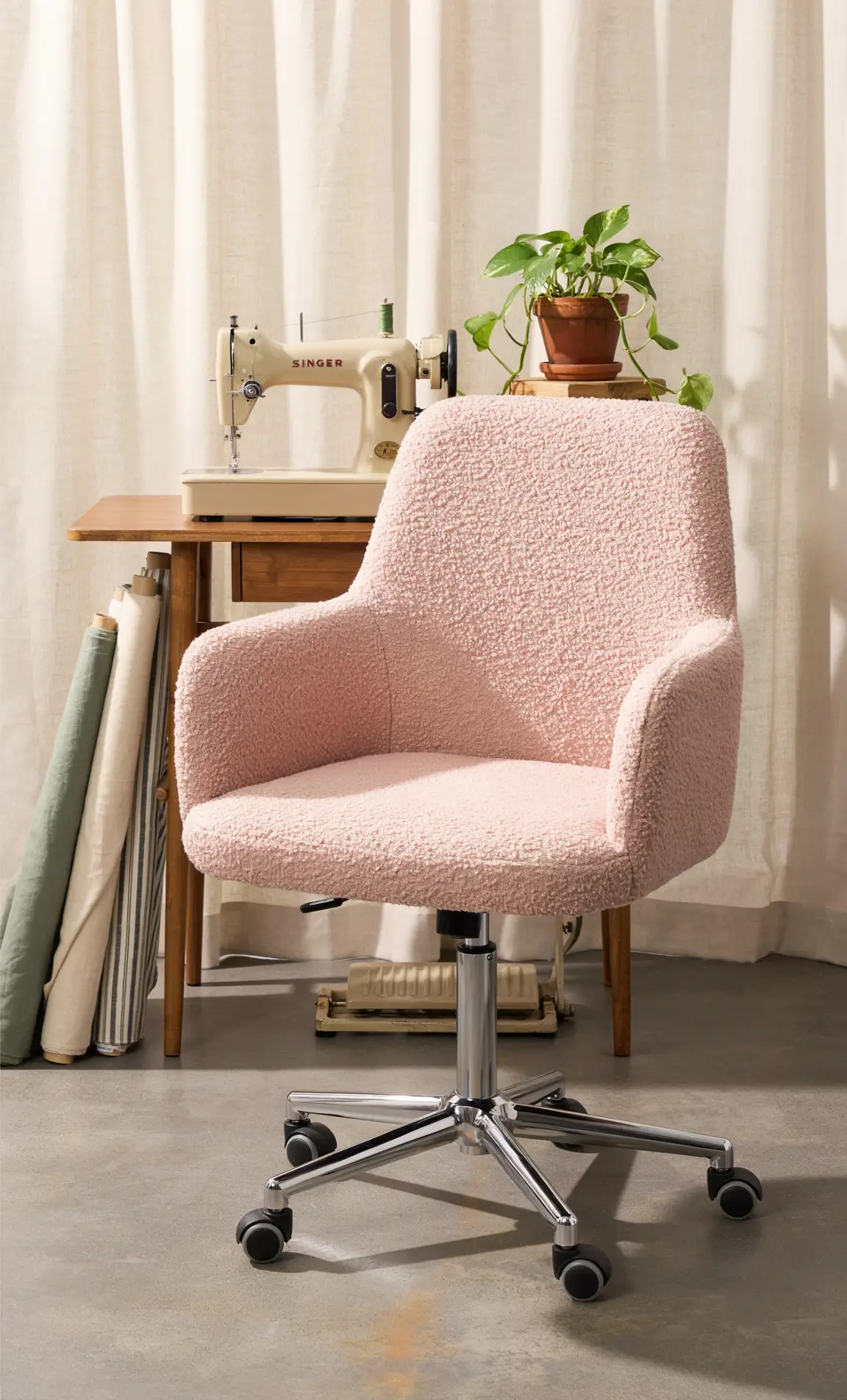
Best Chairs for Sewing: Comfort for Long Sewing Sessions
Why seating matters for long sewing sessions
Prolonged of stitching, cutting, and pattern work place strain on the back, neck, shoulders, and hips. chair supports proper posture, offers adjustable height, and accommodates movement can reduce and improve precision. comfort stems from balance of lumbar support, seat depth, arm generosity, and mobility
Key features to prioritize:
- Adjustable height and tilt: Align your desk or height with your position.
- Lumbar support: Gentle lower-back contouring to maintain natural spine curvature- Seat depth and width: Adequate depth prevents pressure behind the knees while allowing full back support.
Arm supports: Stable arms reduce shoulder tension during pinning, cutting, and sewing. - Mobility: Smooth-rollingters or a stable stool base enable reach to tools.
- Cushioning: A medium-firm seat that maintains shape under extended use.
- Material and upholstery: Breathable fabrics or leather alternatives wipe easily.
- Stability: A sturdy prevents wobble during precise cuts and delicate stitching.
Best chair types for sewing
- Ergonomic task chair
- Features: Adjustable seat height, backrest with lumbar, adjustable armrests, and tilt.
- Why it ideal: Promotes neutral posture during long hours at a desk cutting table.
- Drafting or atelier chair
Features: Elevated seating with foot option, swivel capability, sturdy back support.
Why it’s: Suited for higher tables and standing work common sewing studios. - Saddle stool
- Features: Contoured saddle seat that reduces hip flexion and an open hip angle.
- Why it’s ideal: Encourages active sitting, which can alleviate lower back strain during repetitive tasks.
Swivel chair with locking mechanism
- Features: 360-degree rotation, adjustable height, and a stable base.
- Why’s ideal: Facilitates quick access to tools and fabrics without twisting spine.
- Stool with back support
- Features: Minimal backrest, cushioned seat, and a wide for stability.
- Why it’s ideal: Sim setups for cutters pattern makers who move frequently between stations.
Practical setup tips
- Position work surface at elbow height when seated to prevent shoulder elevation.
- Use a footrest to maintain a 90-degree knee angle and improve circulation.
- Place frequently used tools within easy reach to twisting and reaching.
- Alternate between sitting and if possible to reduce cumulative strain.
Invest in a chair mat or rug-friendly wheels protect floors and ensure smooth.
Maintenance care
- Wipe spills promptly with a mild cleaner suitable for the upholstery material.
- Check screws and casters regularly for looseness and stability.
- cushions or use a removable cover to extend life and hygiene.
- Schedule periodic reassessment of seating needs as patterns or may shift with projects.
Quick-start recommendations- For compact spaces: Ergonomic task chair adjustable height and lumbar support.
- elevated desks: Drafting chair or saddle stool with a base.
- For multi-station studios: A versatile rolling chair with good back support and smooth mobility.
Conclusion
Selecting a chair tailored to sewing tasks enhances comfort, accuracy, and stamina. By prioritizing adjustable support, seating depth, and stable mobility, creators can sustain longer sessions with reduced fatigue and improved results.